
About Makruk
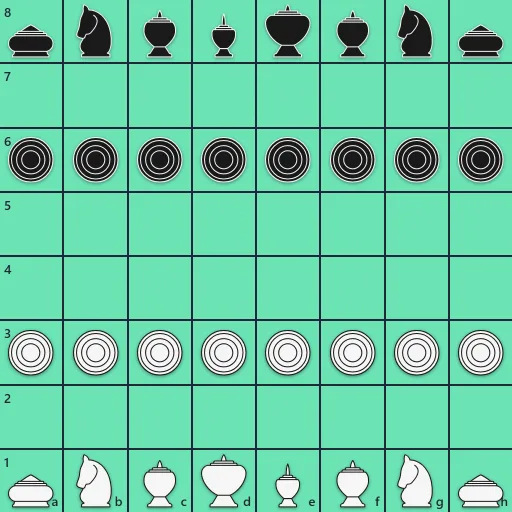
Makruk, also called Thai Chess, is a two-player strategy game played on an 8x8 board with two armies of sixteen pieces. Descended from the ancient game of chaturanga, it is one of the closest living relatives of the original chess and remains hugely popular in Thailand today.
Its short-range pieces, third-rank pawns, and the diagonal-stepping Met make Makruk slower and more maneuvering than international chess. White moves first, and the first player to checkmate the enemy Khun wins.
Play Makruk vs AI
Makruk is the Thai relative of chess, with a short-range Met in place of the queen and Bia that promote on the sixth rank. Against the computer you can learn how each piece moves and get used to the game's patient, positional rhythm.
Because the Met and the Khon cover only nearby squares, attacks build slowly. The stronger levels defend stubbornly, so expect to win by gradual pressure rather than early tactics.
How to play Makruk
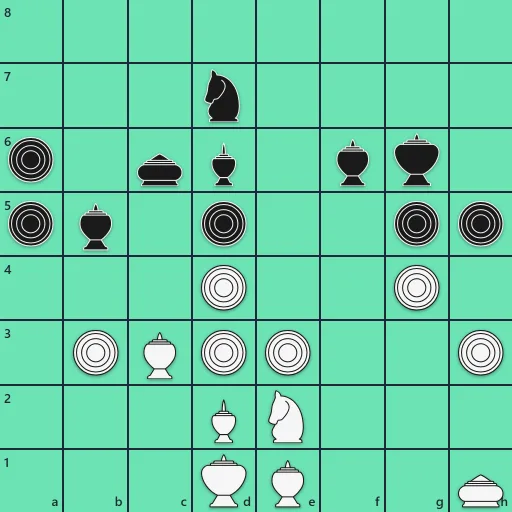
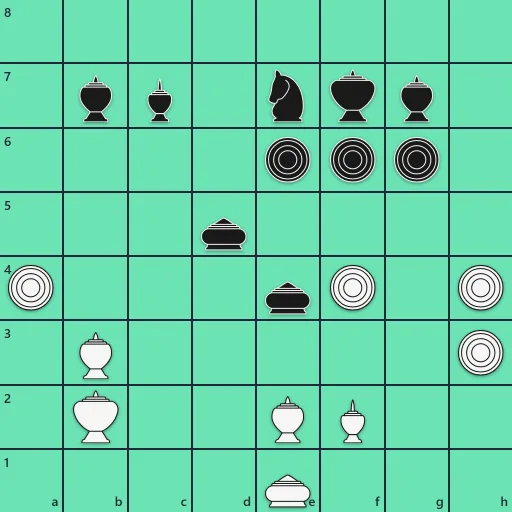
The rules of Makruk reward understanding its short-range pieces: the Met steps one square diagonally, the Khon moves forward or diagonally, and the Ruea sweep open lines like rooks. Pawns start on the third rank, capture diagonally, and promote to a Met on the sixth rank.
There is no castling and no en passant, so kings must be sheltered by hand, and games are frequently decided in long, careful endgames rather than quick opening attacks.
Improve by learning strategy
Strong Makruk strategy balances slow, coordinated development with a fight for the center, where short-range pieces gain the most reach. Advance your Met and Khon together, open files for your Ruea, and look for chances to promote a Bia.
Keep your Khun sheltered, convert small advantages into the endgame, and remember the counting rules when you are the one trying to force checkmate with limited material.
Frequently Asked Questions
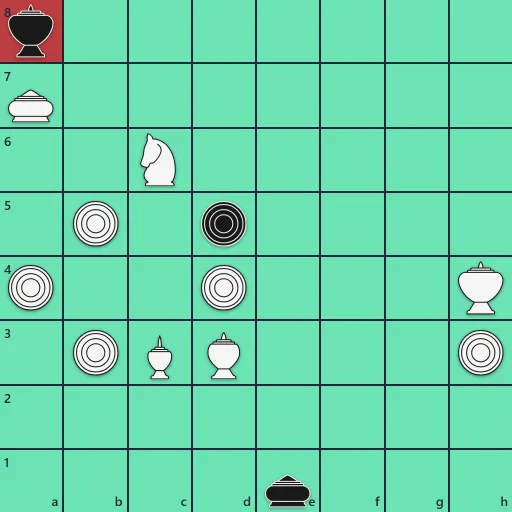
You win by checkmating the enemy Khun, meaning the king is under attack and cannot avoid capture on the next move. If the player to move has no legal move but is not in check, the game is drawn by stalemate. Keeping your own Khun safe while cornering your opponent's is the heart of the game.
Makruk uses the same 8x8 board but the pieces are much shorter in range. The Met, its queen, moves only one square diagonally, and the Khon moves one step forward or diagonally. Pawns start on the third rank, take no double step, and promote to a Met on the sixth rank. There is also no castling and no en passant, which gives Makruk a slower, more positional character.
A Bia, or pawn, promotes as soon as it reaches the sixth rank, which is only two squares beyond its starting position on the third rank. It always promotes to a Met, the counsellor, and there is no choice of piece. A promoted Bia is often shown turned over and moves exactly like a Met.
Yes. Besides stalemate, a game can be drawn by insufficient material or by repetition. Traditional Makruk also uses counting rules that cap how many moves a player has to checkmate once few pieces remain, for example when one side is left with a bare king, ensuring hopeless endgames do not drag on forever.
Makruk and international chess share a common ancestor in the Indian game of chaturanga. Many historians consider Makruk one of the closest surviving relatives of that original game, so while it is not simply older than chess, it preserves features that Western chess later changed or discarded.
Similar games you might like
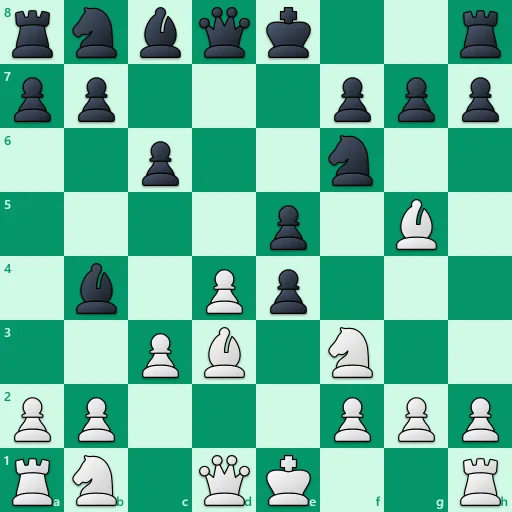
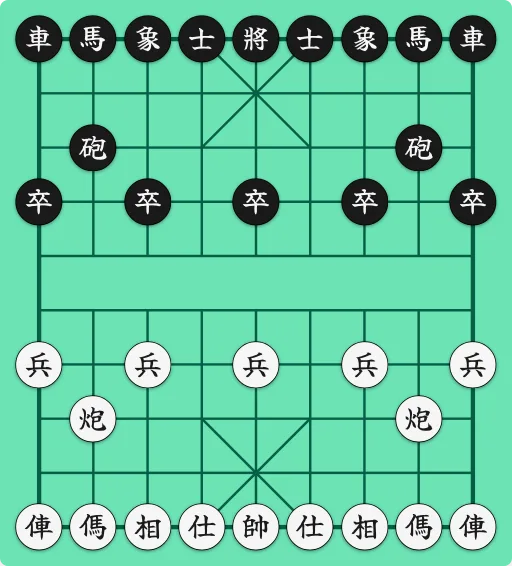
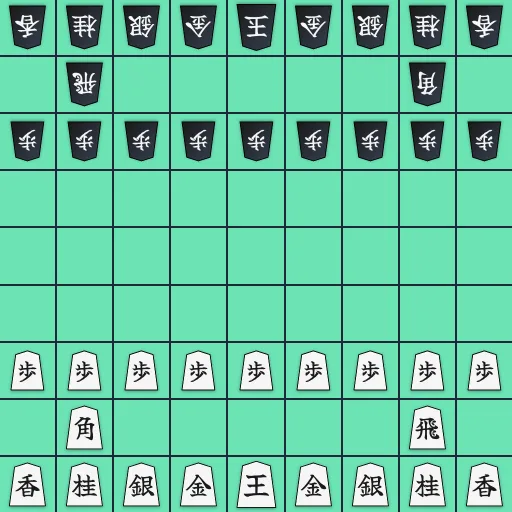
If you enjoy Makruk, you will probably like these other abstract strategy board games.
Learn, Play, and Have Fun!
Ready to play Makruk online? Start a match against the computer now. No signup, no friction.